
We use cookies to optimize your experience, analyze traffic, and personalize ads. Please choose whether you accept our use of non-essential cookies. Read More
York
08:00 AM - 05:00 PM
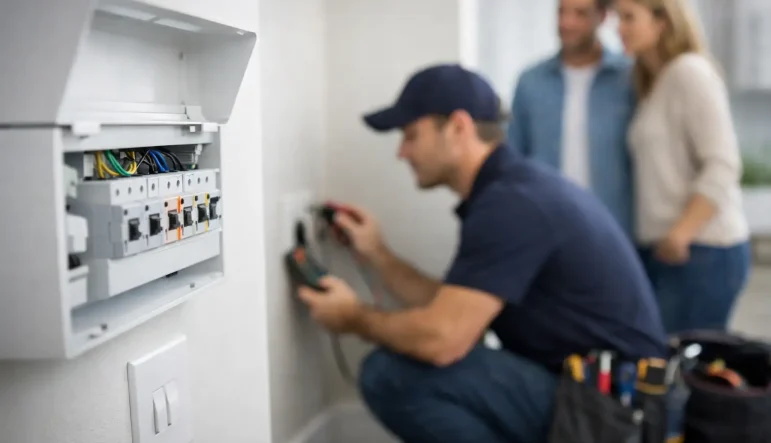
Part P is the part of the Building Regulations that addresses electrical safety in dwellings. It matters whenever electrical work is carried out in a house, flat, extension, garage or similar domestic setting. For homeowners, landlords, property managers and contractors, the central issue is simple: the work must be designed, installed, inspected and certified so that it does not create a risk of fire, electric shock or injury.
Part P is often confused with the wiring regulations themselves. It is not the same thing as BS 7671, although the two are closely connected in practice. Part P sets the legal building-control requirement for safe electrical work in homes, while BS 7671 provides the technical standard electricians use to demonstrate that an installation has been completed safely.
Part P applies to fixed electrical installations in dwellings. This includes new circuits, consumer units, sockets, lighting circuits, electric showers, cooker supplies, outdoor supplies and electrical work connected with extensions or conversions. It can also apply to work in associated areas, such as a detached garage, garden building or shared access area serving a dwelling.
The regulation is concerned with the safety of the completed installation, not merely whether a fitting appears to work. A new socket may energise correctly but still be unsafe if the circuit is overloaded, the earthing arrangement is inadequate, protective devices are unsuitable or cables have been routed where they could later be damaged.
This is why competent electrical work begins with assessment. The electrician needs to understand the existing installation, the supply characteristics, the intended use of the circuit and the condition of protective equipment before deciding how work should be completed.
Some domestic electrical work must be notified to local authority building control, either directly or through an electrician registered with an approved competent person scheme. This process provides a formal record that the work has met the relevant Building Regulations requirements.
In England, work that is generally notifiable includes the installation of a new circuit, replacement of a consumer unit and certain additions or alterations in special locations, such as rooms containing a bath or shower. The detail matters. An alteration that seems minor may become notifiable if it involves a new circuit, a change to protective measures or work within a location with increased electrical risk.
Requirements and notification arrangements can differ in Wales, particularly in relation to the types of domestic work that need to be notified. Homeowners and duty holders should not assume that rules applied to a previous project, or rules quoted for a property in another nation, apply to their own work. Confirming the position before work starts avoids unnecessary delays, fees and remedial work.
A registered electrician can normally self-certify eligible work through their scheme. Where work is not completed through a registered installer, building control may need to be notified before the project begins. This route can involve inspection stages and charges, so it should be considered as part of the project plan rather than as an afterthought.
Part P requires electrical installations to be designed and installed so that they provide reasonable protection against fire and injury. In most domestic projects, compliance with BS 7671 is the accepted route for meeting that expectation.
BS 7671 covers the practical matters that determine whether an installation is safe: circuit design, cable selection, earthing and bonding, residual current device protection, isolation, labelling, testing and verification. It also considers the environment in which equipment is used. A bathroom, garden office and kitchen may all require a different approach because moisture, accessibility, load and risk of mechanical damage vary.
The standard is updated periodically. This does not mean every older installation automatically requires a full replacement when an amendment is issued. Existing installations should be assessed on their condition and suitability for continued use. However, new work and significant alterations should be designed to the current requirements where applicable.
Certification is one of the clearest signs that electrical work has been properly completed and checked. The documents required depend on the scale and nature of the work, but a homeowner should understand the difference between the main records.
An Electrical Installation Certificate is normally issued for new installations, new circuits and significant alterations. It records the work undertaken, test results, inspection findings and details of the person responsible for design, construction and verification.
A Minor Electrical Installation Works Certificate may be appropriate for a smaller alteration to an existing circuit, such as adding a point to a circuit that has been assessed as suitable. It is not a shortcut for larger work. If the work changes the circuit substantially or requires full verification, an Electrical Installation Certificate is likely to be more appropriate.
For notifiable work completed by a registered installer, the homeowner should also receive a Building Regulations compliance certificate. This is separate from the electrical certificate. Keep both documents with property records, alongside any circuit schedules, test results and manufacturer information. They are useful for future maintenance, property sales, insurance queries and planned alterations.
An Electrical Installation Condition Report, or EICR, has a different purpose. It assesses the condition of an existing installation. It does not certify new installation work that should have been tested and certified at the time it was completed.
Domestic projects frequently begin with a practical request, such as fitting an electric vehicle charger, upgrading a kitchen, converting a loft or installing power to a garden room. Each can involve more than adding a cable or changing an accessory.
An electric vehicle charger, for example, may require a dedicated circuit, consideration of the property supply, load management and suitable protective devices. A kitchen refurbishment can involve new circuits for ovens, hobs and other fixed equipment. A garden building may need safe cable routing, outdoor-rated equipment, earthing assessment and appropriate disconnection arrangements.
Consumer unit replacements require particular care. The installer must consider the condition of the wider installation, not only the new enclosure. Replacing a board can reveal issues with earthing, bonding, circuit identification, cable condition or protective device coordination that need to be addressed before the installation can be safely certified.
These examples explain why a quote based solely on the number of accessories can be misleading. Proper pricing and planning should allow for survey work, testing, certification, notification where required and any remedial work identified during assessment.
The lowest initial price is not always the lowest project cost. Work that is poorly designed or left without correct certification can result in return visits, building-control complications, disruption to finishes and uncertainty when the property is sold or let.
Ask a prospective contractor how they will assess the existing installation, whether the work is notifiable, what certification will be supplied and who will carry out testing. For larger or higher-risk projects, it is also reasonable to ask how the work will be coordinated with builders, facilities teams or other trades.
An approved, experienced contractor should be clear about what is included and where further investigation may be needed. This is especially valuable where a domestic project involves commercial-style loads, older wiring, a conversion, shared supplies or a property with limited capacity at the intake. SJB Smart Electricals approaches this work through survey, installation and verification, so requirements are addressed before they become defects at handover.
The paperwork associated with Part P is useful, but it is not the objective. The objective is a safe electrical installation that suits the property, the people using it and the demands that will be placed upon it.
Before approving any domestic electrical work, establish what is being installed, how it will be supplied, whether the existing installation is suitable and which certificates will be provided on completion. That short conversation at the planning stage is often the most effective way to protect a property, its occupants and the value of the work.

Learn what an 18th edition course for electricians covers, who needs i

Understand competent person electrical training, who needs it, what it