
Practical Electrical Training • Inspection • Testing • Certification
Electrical Inspection & Testing Course – 4-Day EICR & Minor Works Training
A practical four-day Electrical Inspection and Testing course designed to up-skill maintenance teams, facilities engineers, electrical maintenance personnel and competent persons who need to develop the knowledge, practical testing skills and confidence required to inspect electrical installations, undertake appropriate electrical testing and complete Minor Works documentation and Electrical Installation Condition Reports (EICRs) within their assessed level of competence.
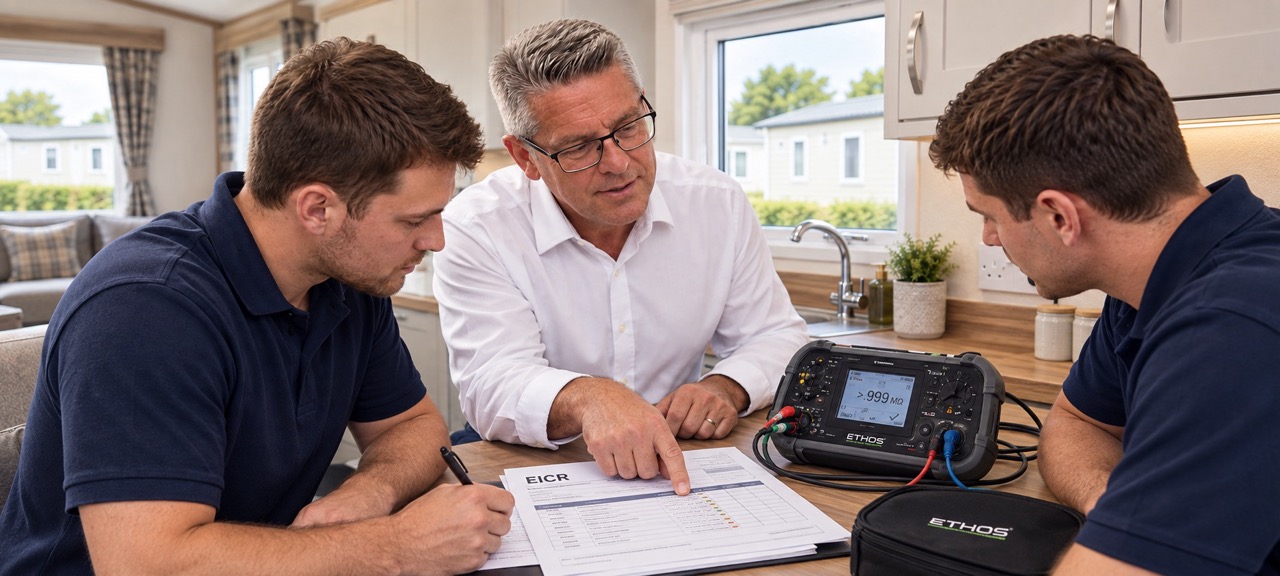
Inspection & Testing Skills for the Real Workplace
Develop the Skills to Inspect, Test, Understand and Record Electrical Installations
Electrical inspection and testing is much more than connecting a multifunction tester and recording a set of readings.
A person carrying out electrical inspection and testing needs to understand what is being tested, why the test is necessary, what the measured result means and whether that result indicates a safe or potentially unsafe electrical installation.
The SJB Electrical Training 4-Day Electrical Inspection & Testing Course has been developed particularly for maintenance departments, facilities teams, estates personnel, engineering teams and electrical maintenance staff who want to build greater in-house capability.
Delegates work progressively through electrical safety, the legal framework, safe isolation, visual inspection, electrical test instruments, practical testing, interpretation of measured results, defect identification and the completion of electrical certification and reports.
The emphasis throughout the programme is on practical application. Delegates spend significant time working with electrical test equipment, electrical installations, distribution boards, circuits, documentation and realistic testing scenarios rather than learning inspection and testing entirely from presentation slides.
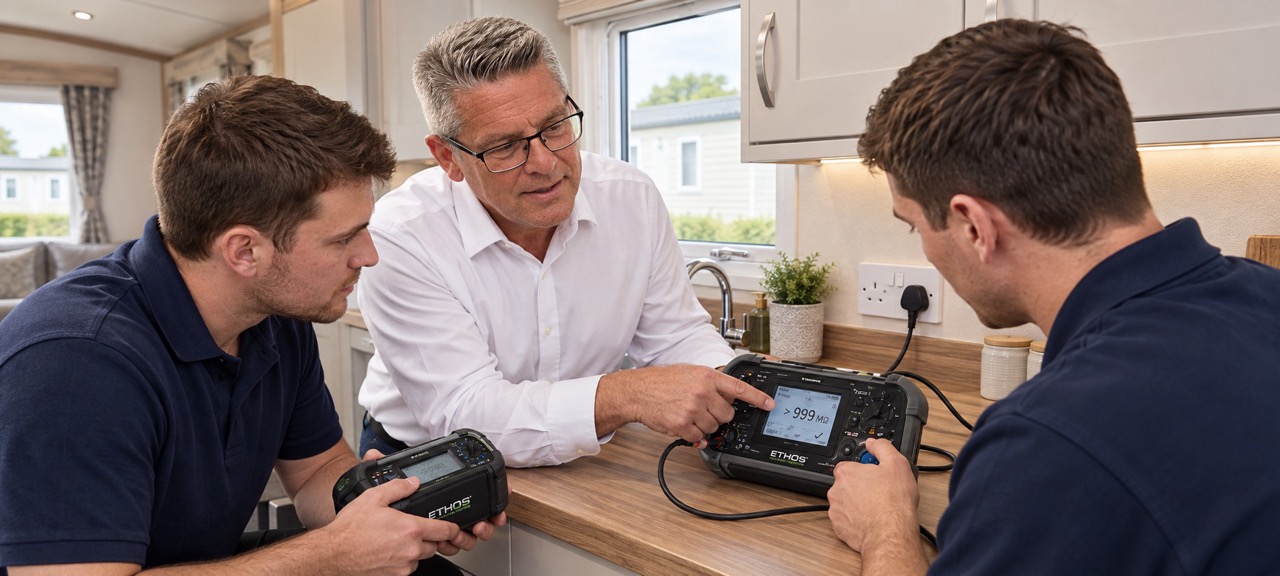
Hands-On Electrical Training
Learn Electrical Testing by Actually Testing
Inspection and testing is a practical skill. Confidence comes from understanding the principles and then repeatedly applying them to real electrical circuits and test situations.
During the course delegates use appropriate electrical test instruments and develop a structured approach to inspection, safe isolation, dead testing, live testing where required, recording measurements, interpreting results and identifying defects.
- Practical safe isolation and lock-off
- Electrical test instrument selection and setup
- Continuity testing
- Ring final circuit testing
- Insulation resistance testing
- Polarity verification
- Earth fault loop impedance testing
- Prospective fault current awareness
- RCD testing and interpretation
- Functional testing
- Visual inspection of electrical installations
- Recording and interpreting measured values
- Recognising potentially dangerous defects
- Completing electrical documentation
Who Should Attend?
Electrical Inspection & Testing Training for Maintenance and Facilities Teams
This course is particularly suited to organisations that already have technically capable maintenance or engineering personnel and want to develop greater in-house electrical inspection, testing and certification capability.
Maintenance Teams
Develop electrical maintenance personnel who need to undertake defined electrical work, alterations, replacements and inspection activities.
Facilities & Estates
Practical training for facilities engineers, estates departments and site teams responsible for maintaining commercial electrical installations.
Electrical Maintenance Personnel
Build confidence in inspection, test equipment, test sequences, results and electrical documentation.
Engineering Teams
Suitable for engineering personnel who already work around electrical installations and require further practical electrical competence.
Caravan & Holiday Parks
Develop in-house electrical knowledge for teams responsible for distribution systems, buildings, pitch supplies and site infrastructure.
Commercial & Industrial Sites
Training for factories, warehouses, airports, healthcare estates, historic estates, workshops and commercial facilities.
Electrical Safety & Compliance
Understand the Legal Framework Behind Electrical Inspection and Testing
Inspection and testing should never be treated as simply a paperwork exercise. Delegates need to understand why electrical installations are inspected, maintained and tested and where responsibility sits within an organisation.
The programme introduces the relationship between workplace electrical safety, the Electricity at Work Regulations 1989, recognised safe working practices and the requirements and guidance associated with BS 7671 Requirements for Electrical Installations.
Particular attention is given to competence, electrical maintenance, safe systems of work, isolation, test equipment and the responsibility of employers and duty holders to ensure that people undertaking electrical work have the appropriate knowledge, training and experience for the tasks they perform.
Electricity at Work Regulations
Understand workplace responsibilities relating to electrical systems, maintenance, safe working, competence and prevention of danger.
BS 7671 Wiring Regulations
Understand how current BS 7671 requirements influence inspection, verification, testing, alterations and electrical documentation.
Safe Working Practices
Develop a structured approach to isolation, lock-off, proving dead, test equipment and electrical risk control.
Competence & Responsibility
Understand that competence is task-specific and depends upon knowledge, training, practical ability and relevant experience.
Further guidance on workplace electrical safety is available from the Health and Safety Executive through its guidance on the Electricity at Work Regulations, safe electrical working practices and electrical test equipment.
Four-Day Programme
What Does the Electrical Inspection & Testing Course Cover?
The programme moves from safety and inspection fundamentals through practical electrical testing and ultimately to interpreting results, assessing installation condition and completing appropriate documentation.
Electrical Safety, Legal Responsibilities & Safe Isolation
- Electrical hazards – shock, burns, arcing and fire
- Electricity at Work Regulations 1989
- Responsibilities of employers, employees and duty holders
- Understanding electrical competence
- BS 7671 and recognised industry good practice
- Risk assessment and safe systems of work
- Isolation and switching
- Safe isolation procedures
- Lock-off and control of electrical isolation
- Proving dead and appropriate voltage indicators
- Electrical test equipment and leads
- GS38 principles and safe test equipment
- Understanding earthing arrangements
- Protective conductors and bonding
- Distribution boards and protective devices
Inspection, Dead Testing & Electrical Test Instruments
- Purpose of electrical inspection and testing
- Initial verification and periodic inspection principles
- Visual inspection of electrical installations
- Identification of circuits and protective devices
- Signs of deterioration, overheating and damage
- Selection of appropriate electrical test equipment
- Test instrument checks and preparation
- Continuity of protective conductors
- R1 + R2 principles
- Ring final circuit continuity testing
- Insulation resistance testing
- Polarity checks
- Understanding expected values
- Recognising abnormal or unexpected test results
- Practical testing exercises
Live Testing, Interpretation & Fault Recognition
- Risk controls associated with electrical testing
- Supply characteristics and earthing arrangements
- Earth fault loop impedance testing
- Ze and Zs principles
- Prospective fault current awareness
- RCD operation and testing
- Functional testing
- Protective device characteristics
- Understanding disconnection requirements
- Interpreting multifunction tester results
- Identifying inconsistent or questionable measurements
- Fault-finding techniques
- Recognising installation defects
- Deciding when further investigation is required
- Extensive practical inspection and testing exercises
EICR Inspection, Minor Works Certification & Practical Assessment
- Periodic inspection methodology
- Determining the extent and limitations of an inspection
- Electrical Installation Condition Reports – EICRs
- Recording observations accurately
- Understanding defect classification principles
- When further investigation may be required
- Completing schedules of inspections
- Completing schedules of test results
- Minor Electrical Installation Works Certificates
- Understanding when a Minor Works certificate is appropriate
- Recording alterations and additions
- Inspection following maintenance work
- Electrical test result interpretation
- Practical inspection and testing exercise
- Course knowledge and practical assessment
Periodic Inspection & Testing
Practical EICR Training – Understand the Installation, Not Just the Form
An Electrical Installation Condition Report records the condition of an existing electrical installation following periodic inspection and testing. Producing a meaningful EICR therefore requires more than entering readings into software.
Delegates learn to approach an installation systematically: understand its construction and use, establish the extent of the inspection, inspect accessible equipment, carry out appropriate electrical tests, compare results with expected values and identify observations requiring attention.
The course also examines the importance of clear reporting. Maintenance departments and responsible persons need reports that explain the condition of an installation and allow appropriate action to be taken rather than simply producing another document to file away.
Minor Electrical Works
Minor Works Certificate Training for Maintenance Teams
Many maintenance departments regularly undertake relatively small electrical tasks such as replacing accessories or making defined additions and alterations to existing circuits.
Where electrical work is undertaken, teams need to understand not only how to carry out the physical task but also the inspection, testing and documentation that may be required afterwards.
This course develops delegates’ understanding of the Minor Electrical Installation Works Certificate, including when it is appropriate, what information should be recorded and how test results relate to the work undertaken.
This makes the programme particularly valuable for organisations wanting to develop appropriately experienced maintenance employees beyond simple electrical awareness and towards controlled, documented electrical maintenance within clearly defined responsibilities.
Develop Your Team
Why Train Maintenance Teams in Electrical Inspection and Testing?
Build In-House Capability
Develop suitable maintenance personnel so more electrical inspection, testing and minor maintenance activity can be managed internally where appropriate.
Improve Electrical Safety
Help personnel recognise electrical hazards, deterioration, incorrect installations and potentially dangerous defects.
Improve Documentation
Develop understanding of test results, Minor Works certificates, schedules and Electrical Installation Condition Reports.
Reduce Skills Gaps
Give experienced maintenance employees an opportunity to develop stronger electrical inspection and testing skills.
Build Confidence
Repeated practical testing gives delegates greater confidence in both test equipment and the decisions that follow the test.
Know When to Escalate
Competence includes knowing your limitations. Delegates learn when work or findings require escalation to a more experienced electrical specialist.
UK-Wide Electrical Training
Electrical Inspection & Testing Training Across Industry
SJB Electrical Training works with organisations whose maintenance teams operate in very different environments. Inspection and testing training can therefore be related to the electrical systems and workplace conditions delegates encounter in their own industry.
Entry Requirements
Who Is This Four-Day Inspection & Testing Course Suitable For?
This is an up-skilling programme rather than an introduction to electricity for complete beginners.
Delegates should normally have existing electrical knowledge, electrical maintenance experience or another appropriate technical background that allows them to understand electrical circuits, protective devices and basic electrical principles.
Knowledge of the current BS 7671 Wiring Regulations is strongly beneficial. Organisations unsure whether an employee has the appropriate starting knowledge should contact SJB Electrical Training before booking.
Assessment & Certification
Practical Electrical Inspection & Testing Assessment
Delegates are assessed throughout the programme using tutor questioning, practical exercises, test-result interpretation and structured inspection and testing activities.
The assessment is designed to establish whether delegates can apply the principles covered during training rather than simply recall information from a presentation.
- Safe isolation exercise
- Electrical test equipment setup and use
- Inspection exercise
- Dead testing exercises
- Controlled live testing exercises where appropriate
- Interpretation of electrical test results
- Identification of defects
- Electrical documentation exercise
- Course knowledge assessment
Course Certificate
Successful delegates receive an SJB Electrical Training Electrical Inspection & Testing Course Certificate recording completion of the programme.
Course Delivery
Scheduled and On-Site Electrical Inspection & Testing Courses
The four-day Electrical Inspection & Testing programme can be provided through scheduled SJB Electrical Training courses or as dedicated group training for businesses with suitable facilities.
Company training can be particularly effective because practical examples can be related to the electrical installations, maintenance procedures and responsibilities delegates encounter at work.
4-Day Course
Structured classroom learning combined with extensive hands-on inspection and testing.
From £995 Per Person
Contact SJB for scheduled course availability, group pricing and dedicated company training.
UK-Wide Delivery
Scheduled courses and suitable on-site training throughout the UK.
Build a Training Pathway
Related Electrical Training Courses
Electrical Inspection & Testing can form part of a wider competence programme for maintenance and facilities personnel.
Frequently Asked Questions
Electrical Inspection & Testing Course FAQs
What is an Electrical Inspection and Testing course?
An Electrical Inspection and Testing course develops the knowledge and practical skills required to inspect electrical installations, use appropriate electrical test instruments, interpret measured values, identify defects and record inspection and test results. The SJB programme also covers safe isolation, Minor Works documentation and EICR principles.
Does the course include practical electrical testing?
Yes. Practical inspection and testing is a major part of the four-day programme. Delegates use electrical test equipment and undertake structured exercises covering continuity, insulation resistance, polarity, loop impedance, RCD testing and interpretation of results.
Does the course cover EICRs?
Yes. The programme covers periodic inspection and testing, the principles of Electrical Installation Condition Reports, recording observations, schedules of inspection and test results, limitations, defect classification principles and when further investigation may be necessary.
Does the course cover Minor Works certificates?
Yes. Delegates learn about Minor Electrical Installation Works Certificates, when this type of documentation is appropriate, the inspection and testing associated with alterations or additions and how relevant test information should be recorded.
Is safe isolation included?
Yes. Electrical safety, isolation, lock-off, proving dead, appropriate test equipment and safe working practices form an important part of the programme before delegates progress to installation testing.
Is this course suitable for maintenance teams?
Yes. The course has been designed particularly for technically experienced maintenance, facilities, estates and engineering personnel who need to develop stronger practical electrical inspection and testing skills.
Can this course make our maintenance staff competent to carry out EICRs?
The course provides structured knowledge, training and practical experience that can contribute towards competence. Competence remains task-specific and an employer or duty holder must consider an individual’s previous knowledge, experience, practical ability and the complexity of the electrical installation and work involved before authorising them to undertake work independently.
Can SJB deliver Electrical Inspection and Testing training at our premises?
Yes. Dedicated company and on-site courses can be discussed for organisations with suitable facilities and practical training arrangements. Training can also be adapted around the responsibilities and electrical systems encountered by your maintenance team.
How much does the Electrical Inspection and Testing course cost?
Course fees start from £995 per person. Contact SJB Electrical Training for scheduled course dates, group bookings and on-site company pricing.
Inspect • Test • Understand • Record
Build Greater Electrical Inspection & Testing Capability Within Your Team
Give suitable maintenance and engineering personnel the practical electrical knowledge, testing experience and confidence to make better-informed decisions about the electrical installations they maintain.
4-Day Electrical Inspection & Testing Course – From £995pp
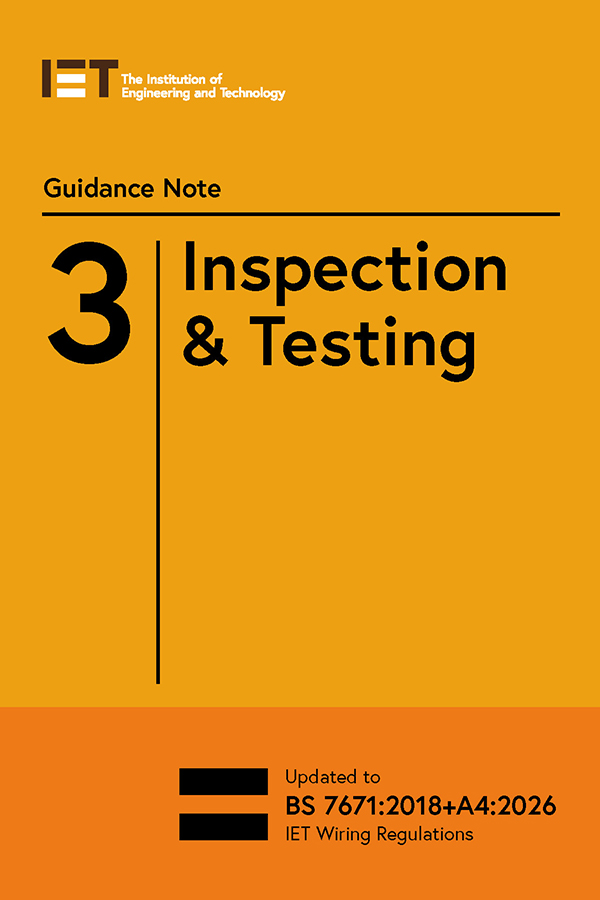
IET Guidance Note 3 · 10th Edition
View on AmazonAd · SJB may earn commission from these links. As an Amazon Associate I earn from qualifying purchases.

Build your knowledge before your course
Explore the related online reading, workbooks and learning activities.
Electrical Science
Voltage, current, resistance, power and energy.
Explore this moduleEarthing and Protection
Earthing, bonding and electrical protection.
Explore this moduleCircuits and Systems
Circuit paths, switching and common arrangements.
Explore this moduleInspection, Testing and Commissioning
Inspection, test purposes and useful records.
Explore this moduleFault Diagnosis and Rectification
Symptoms, evidence and structured fault reasoning.
Explore this moduleUnderstanding the Current Wiring Regulations
Find and interpret requirements in BS 7671.
Explore this moduleApplied Installation Design and Verification
Connect design decisions with verification.
Explore this module