
We use cookies to optimize your experience, analyze traffic, and personalize ads. Please choose whether you accept our use of non-essential cookies. Read More
York
08:00 AM - 05:00 PM
Last Updated: August 29, 2026
BS 7671 training for site supervisors is essential for anyone managing electrical work on construction and industrial sites. The standard, formally known as the Wiring Regulations, sets out the rules for electrical installations in the UK. Supervisors who understand it can prevent accidents, ensure compliance, and protect their teams from serious harm.
The real value of this training is understanding your legal responsibilities as a duty holder and spotting electrical hazards before they become emergencies. A supervisor who knows BS 7671 can make better decisions on site, challenge unsafe practices, and ensure electrical work meets regulatory standards.
The 18th Edition of BS 7671, which came into effect in January 2022, introduced significant changes to how electrical installations must be designed, installed, and tested. If you haven’t updated your knowledge since the 17th Edition, your understanding of current compliance requirements will be incomplete.
BS 7671 training courses typically cover the full scope of the Wiring Regulations. A comprehensive course addresses design principles, installation standards, inspection and testing procedures, and amendments introduced in the 18th Edition.
Courses begin with fundamental principles of electrical safety and the structure of BS 7671 itself. You’ll learn how the regulations are organized and how to navigate them on site. From there, most courses move into earthing and bonding, one of the most critical areas for site supervisors. Proper earthing protects people from electric shock and is a frequent focus of regulatory inspections.
Installation standards form another major section, covering cable selection, routing, protection against damage, and how to ensure installations meet requirements for different environments. Inspection and testing is where theory meets practice. You’ll learn what tests must be carried out, when they’re required, and how to interpret results.
The 18th Edition amendments cover updates to protective measures, changes to special locations, and revisions to how certain installations must be designed.
Your role as a site supervisor comes with legal duties under health and safety law. The Health and Safety at Work etc. Act 1974 and the Electricity at Work Regulations 1989 establish that anyone with responsibility for electrical safety must be competent to carry out that role. BS7671 Wiring Regulations Training directly addresses this competence requirement.
Competence means more than attending a course. It means you have the knowledge, understanding, and practical ability to manage electrical risks. A duty holder must identify hazards, assess risks, and put control measures in place.
The specific duties of a site supervisor include ensuring electrical work is carried out by qualified people, that installations are inspected and tested properly, and that anyone working on or near electrical systems understands the risks. You’re also responsible for maintaining records, test certificates, and inspection reports.
Documentation is critical. From a regulatory perspective, if you can’t show that inspection and testing was carried out, it’s assumed it wasn’t. Keeping proper records is evidence of your competence and compliance.
The duration of BS 7671 training for site supervisors varies depending on depth and scope. A comprehensive foundation course typically runs 3-5 days, while an update course for those familiar with earlier editions might be 1-2 days.
Classroom-based training remains the most common delivery method, allowing interaction with the trainer and discussion of real site scenarios. Some providers offer blended delivery, combining online modules with classroom sessions, which can be more efficient while requiring self-discipline.
On-site workshops have become increasingly popular, particularly for larger organizations. The trainer comes to your workplace and delivers the course in your environment, making it more convenient and allowing reference to your specific site conditions. SJB Smart Electricals Training & Consultancy offers on-site delivery options, allowing your team to stay on location while gaining necessary knowledge.
Assessment typically happens at the end of the course through a written exam and sometimes a practical component. Most courses require you to achieve a pass mark (often 70-80%) to demonstrate competence.
Entry requirements for BS 7671 training for site supervisors are typically modest. Most courses require basic understanding of electrical safety and ideally some experience working on or near electrical installations. The key requirement is that you must be in a supervisory role or working toward one.
Assessment comes in two main forms: formative assessment during the course (quizzes, discussions, practical exercises) and summative assessment at the end (the final exam). The final exam is usually a written test lasting 2-3 hours, covering the full scope of course content and testing both knowledge and application.
Some providers include a practical component in their assessment, such as reviewing installation drawings for non-compliance or discussing how you would approach particular on-site electrical safety issues. Certification follows successful completion of the assessment, providing evidence of your competence.
A site supervisor’s responsibilities under BS 7671 go beyond general electrical safety awareness. You’re responsible for ensuring electrical work meets the standard, that people working on or near electrical systems are competent, and that the right control measures manage risk.
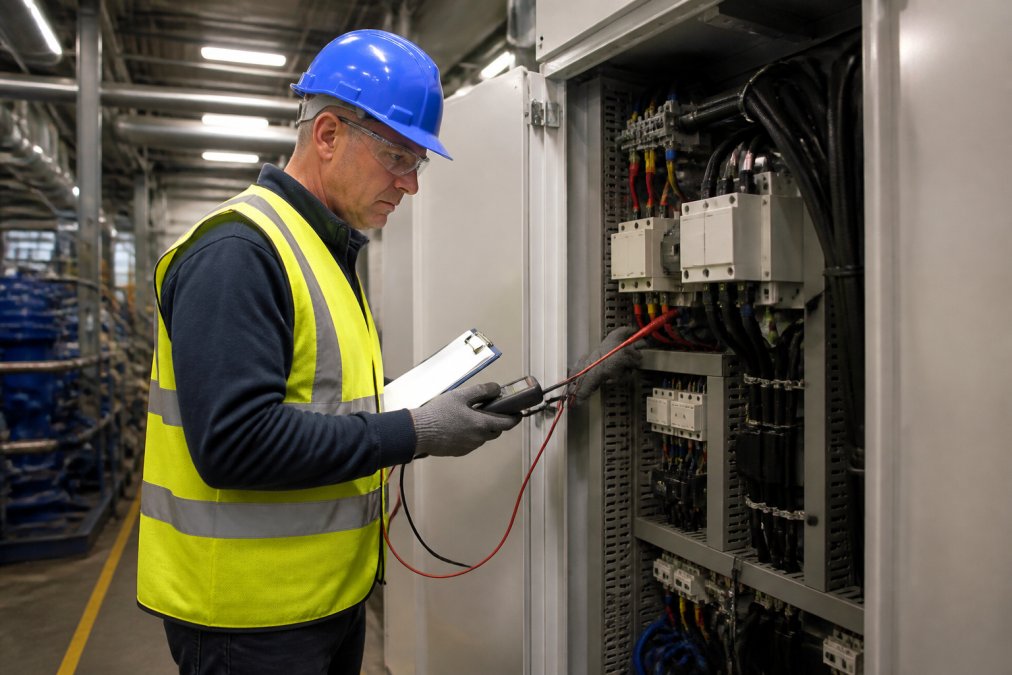
One key responsibility is verifying that electrical work is carried out by people with the right competence. This means checking qualifications and not allowing work to proceed if the person doing it isn’t competent. Understanding the requirements for AP / Authorised Person and Competent Person roles helps you identify who is qualified to carry out specific electrical work on your site.
You’re also responsible for ensuring installations are inspected and tested at the right stages. The regulations require inspection and testing before an installation is energized and ongoing inspection and testing throughout its life.
Earthing and bonding verification is a specific responsibility many supervisors struggle with. You need to understand the earthing system being used, verify it’s been installed correctly, and ensure test results confirm compliance.
Documentation is critical. You need to maintain records of inspections, tests, and any electrical work carried out. These records are evidence of compliance and are essential if regulators investigate an incident.
You’re also responsible for identifying hazards and assessing risks related to electrical work, and for ensuring anyone working on or near electrical systems understands the specific hazards they face.
Understanding BS 7671 in a classroom is one thing; applying it on a busy construction site is another. Practical application is where training becomes valuable.
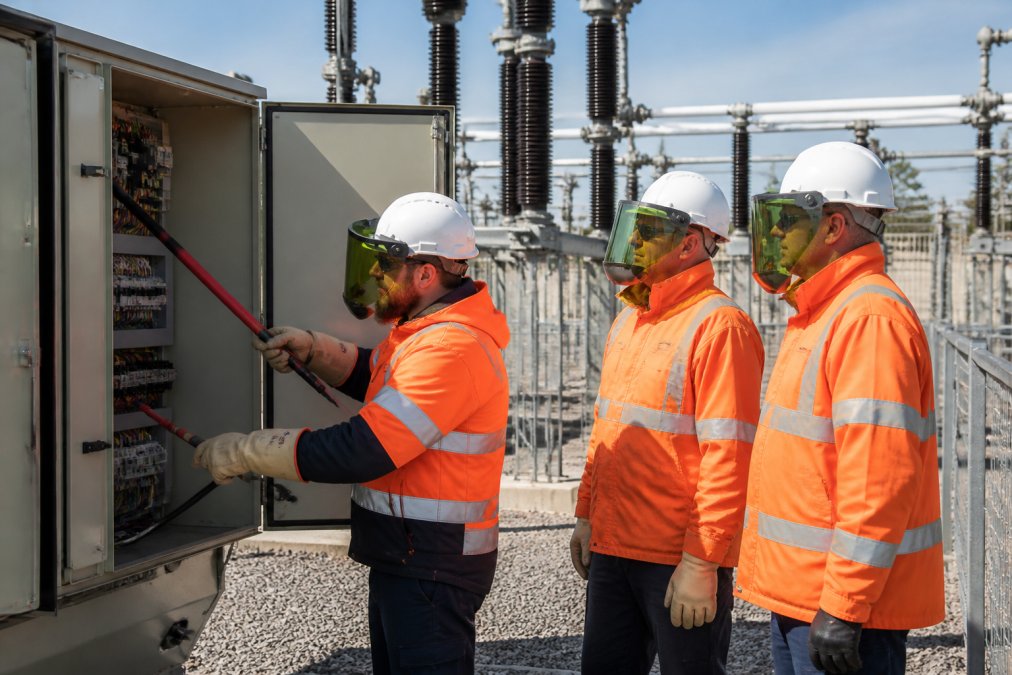
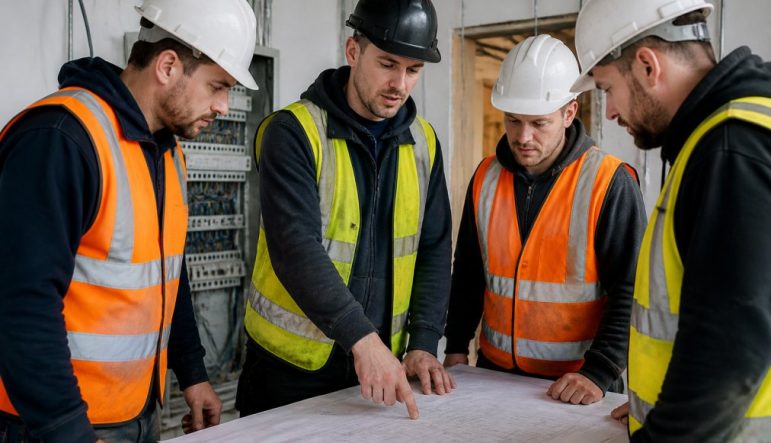
A common mistake is treating BS 7671 training as a box-tick exercise. In reality, the training should change how you approach your daily work. You should ask different questions on site, check things you didn’t check before, and make decisions based on clearer understanding of the regulations.
After training, you should be able to walk a site and spot electrical installations that don’t meet BS 7671 requirements. You might notice cables aren’t routed safely, earthing hasn’t been properly installed, or inspection and testing hasn’t been carried out.
Discussing real site scenarios with the trainer and other delegates is often the most valuable part of training. A good trainer will help you think through how to apply regulations in your specific context. On-site training delivered by SJB Smart Electricals Training & Consultancy can be particularly valuable, as the trainer understands your environment and can relate regulations to your actual work.
Practical competence also involves knowing when to seek expert advice. After training, you should understand the limits of your competence and know when to involve a qualified electrician or competent person for testing. Competence includes knowing what you don’t know and getting help when needed.
Gaining a BS 7671 training qualification isn’t the end. The regulations change, your understanding deepens with experience, and new situations test your knowledge. Post-qualification maintenance keeps your competence current and relevant.
The regulations are updated periodically. The 18th Edition came into effect in January 2022 and introduced significant changes. If you completed training before that date, you need to understand the amendments.
Staying current involves following HSE guidance, reading industry publications, and participating in professional networks. Many supervisors find that attending refresher training every few years reinforces core knowledge and covers any changes since initial training.
Your organization also has a responsibility to support your ongoing competence through funding refresher training, providing access to updated guidance, or creating a culture where supervisors feel able to discuss electrical safety issues.
Experience is a powerful teacher if you reflect on it. When you encounter situations requiring BS 7671 knowledge or when something goes wrong, treat it as a learning opportunity.
Electrical safety is non-negotiable on construction and industrial sites, and BS 7671 training for site supervisors is your foundation for managing that responsibility. The training equips you with knowledge to make better decisions, spot hazards earlier, and protect your team from harm.
SJB Smart Electricals Training & Consultancy delivers BS 7671 training that bridges the gap between theory and practice. Our on-site workshops mean your team learns in your environment, discussing real scenarios and building confidence in applying regulations where it matters most.
[Book Training] with SJB Smart Electricals Training & Consultancy and give your site supervisors the competence they need to keep your team safe and your organization compliant.
BS 7671 training duration varies depending on the format and depth. A focused 18th edition training course typically takes 2-5 days, depending on whether it's combined with other qualifications like HSG47 and GS6. The exact duration depends on your role, prior knowledge, and whether training is delivered on-site or in a classroom setting. Contact your training provider for specific timelines.
No. Site supervisors do not need to be qualified electricians to understand BS 7671 principles relevant to their role. Training is designed for supervisory and management personnel who need to understand wiring regulations, risk assessment, and safe systems of work, not to perform electrical installations. However, supervisors must grasp the key concepts around earthing, bonding, inspection, testing, and compliance to effectively manage electrical risks and ensure their teams work safely around electrical systems.
Most BS 7671 training for site supervisors requires no formal electrical qualifications as a prerequisite. Entry typically depends on your role: site managers, facilities staff, and maintenance personnel can enrol. Some providers may ask for basic health and safety knowledge or relevant work experience. Duty holders and those responsible for electrical safety management benefit most from this training. Check with your training provider about any specific prerequisites for your organisation's needs.
BS 7671 training bridges the gap between regulation and real-world practice. It teaches supervisors how to recognise electrical hazards, conduct risk assessments, implement safe systems of work, and ensure compliance during installation and maintenance activities. Hands-on, on-site delivery helps teams apply what they learn immediately, increasing confidence and reducing the risk of unsafe practices when working near live equipment, overhead lines, or complex electrical systems.
This article was written using GrandRanker

Learn what an 18th edition course for electricians covers, who needs i

Understand competent person electrical training, who needs it, what it